
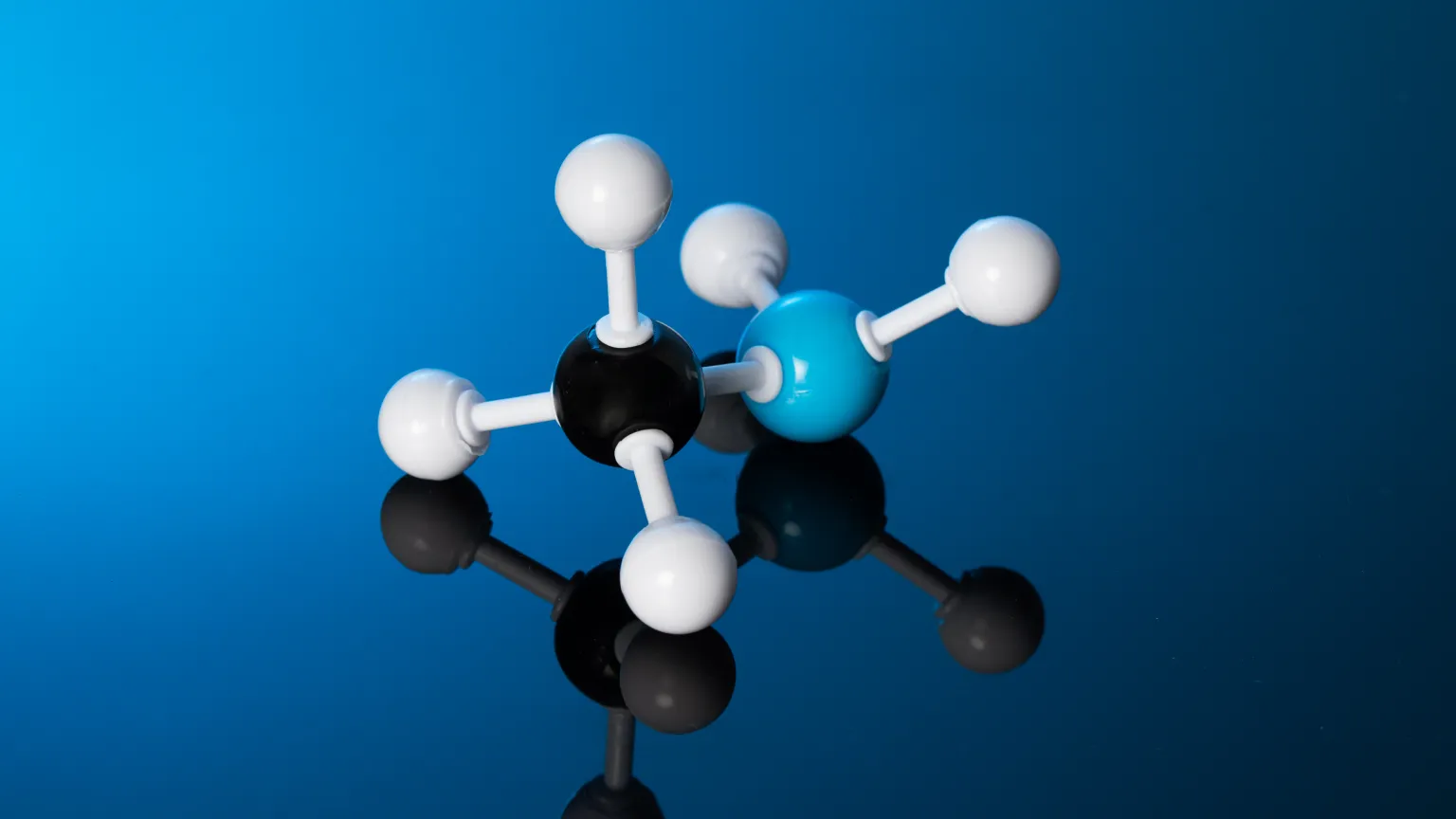
Head-to-tail backbone cyclization, single and multiple disulfides, lactam bridges, stapled and bicyclic designs, plus side-chain and chemoselective routes, chosen to fit your sequence.
Closing a peptide into a ring locks its shape, which sharpens target affinity and selectivity and adds resistance to proteases compared with the linear form.
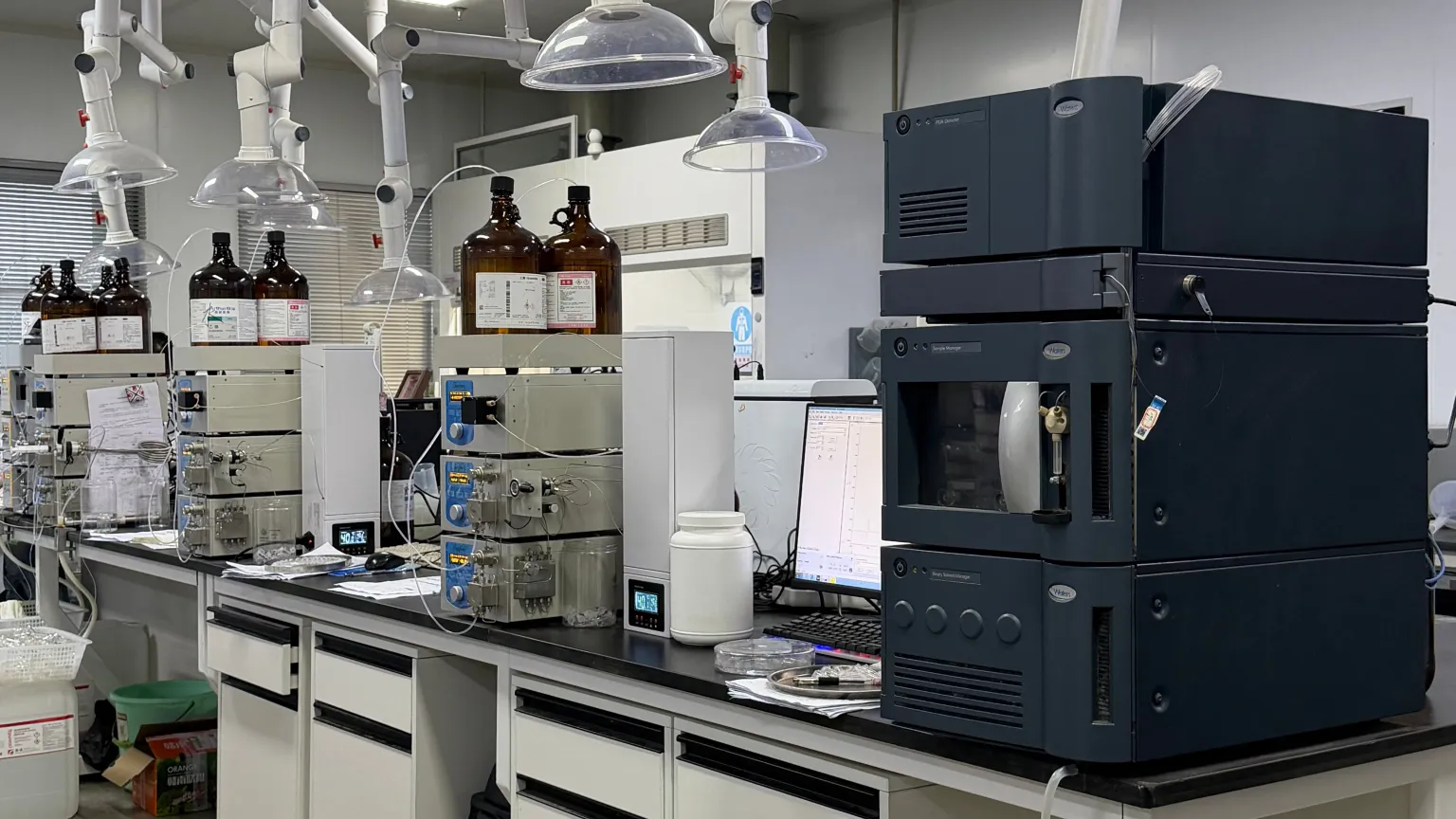
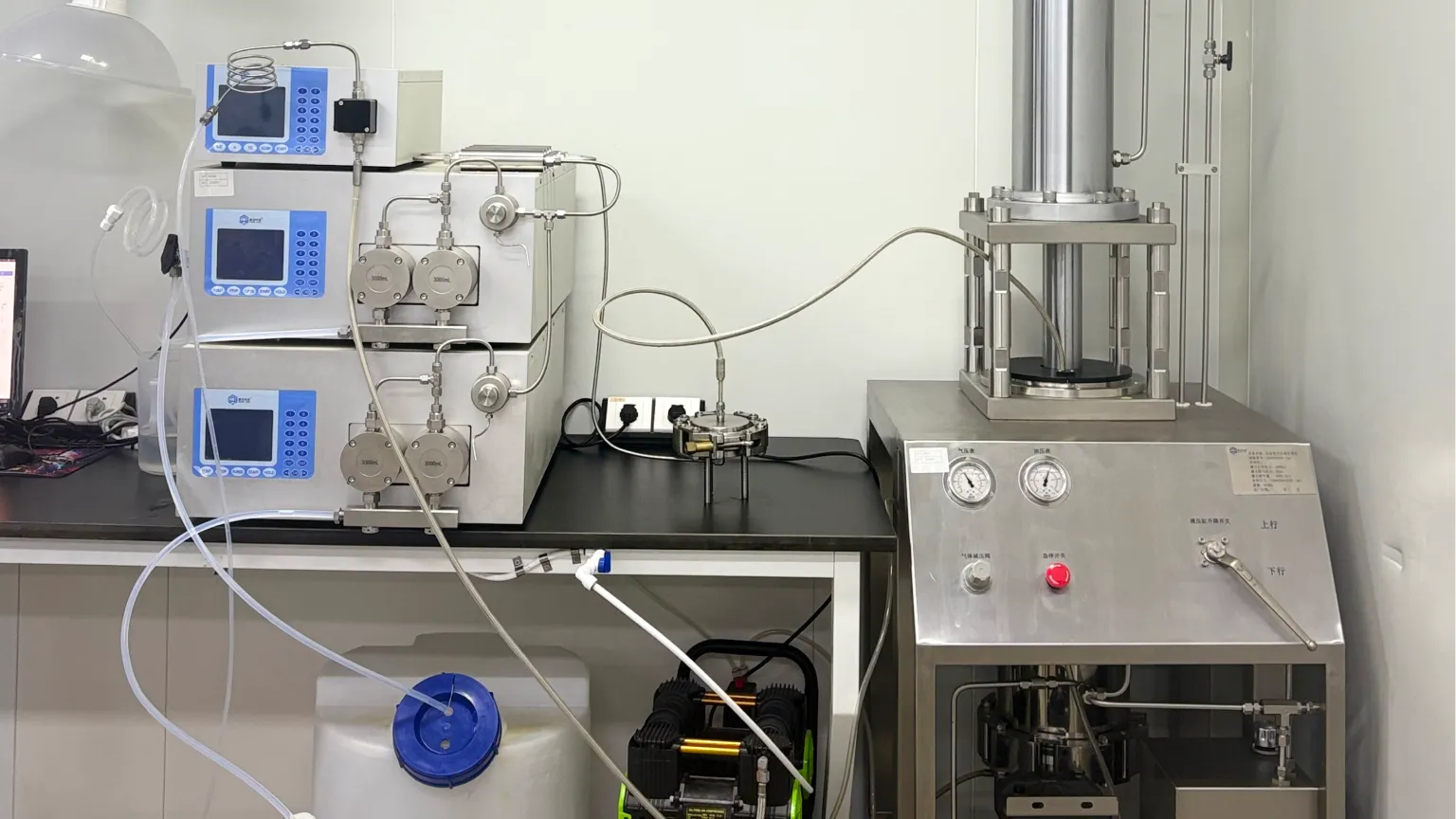
Each cyclic peptide is purified by HPLC and confirmed by mass spectrometry, with the ring closure and any disulfide pattern checked, so you know what you are working with.
A cyclic peptide is a peptide whose chain is closed into a ring, either by joining the two ends or by linking side chains. The ring holds the peptide in a defined shape, which is what gives cyclic peptides their stability and binding properties.
They are used as both research tools and drugs. In drug discovery they reach targets small molecules miss, such as protein-protein interfaces; established examples include the immunosuppressant cyclosporine, the somatostatin analog octreotide, and antibiotics such as vancomycin and daptomycin. In the lab they serve as antimicrobial peptides, integrin-binding RGD peptides, cell-penetrating peptides, and screening libraries.
Cyclization locks the peptide into its active shape, which often raises target affinity and selectivity. It also removes the free ends that exopeptidases attack, so cyclic peptides usually resist proteolysis and last longer than their linear forms.
We work with head-to-tail backbone cyclization, side-chain-to-side-chain and head-to-side-chain routes, disulfide formation, lactam bridges, stapling, and click cyclization. The best route depends on the sequence, the ring size, and the conformation you want.
Yes. We make single, double, and triple disulfide peptides with controlled oxidation to set the correct connectivity, and bicyclic peptides built on a central scaffold for added rigidity.
We confirm identity and purity by HPLC and mass spectrometry. For disulfide peptides we verify the connectivity, and for difficult macrocycles we check that the ring closed rather than forming dimers or oligomers.
A cyclic peptide is a peptide that has been closed into a ring instead of left as an open chain. That ring can be formed by joining the two ends of the peptide or by connecting side chains, and it holds the molecule in a fixed shape. Cyclic peptides, also called cyclopeptides, are valued in drug discovery and research because that fixed shape often binds targets more tightly and survives longer in biological conditions than a linear peptide does.
There are several ways to form the ring, and the right one depends on the sequence:
Closing the ring takes away the conformational freedom of a linear peptide and holds it in its active shape. That usually sharpens affinity and selectivity for the target, and it can make a peptide good at binding flat protein-protein interfaces that small molecules struggle with. The ring also removes the free N- and C-termini that exopeptidases recognize, so cyclic peptides tend to resist proteolysis and stay stable in serum and cell media.
Cyclic peptides sit between small molecules and biologics, and their constrained shape lets them bind targets that are hard to drug, including flat protein-protein interfaces. Several are well-known medicines: the immunosuppressant cyclosporine, the somatostatin analog octreotide, and cyclic peptide antibiotics such as vancomycin, daptomycin, and polymyxin. Many cyclic peptides also occur in nature, from these microbial products to the cystine-knot cyclotides found in plants. In research they are used as antimicrobial agents, as integrin-binding RGD peptides for targeting and imaging, as cyclic cell-penetrating peptides, and as screening libraries for finding new binders.
Many natural and therapeutic peptides rely on disulfide bonds, and getting the right pattern matters. We make single, double, and triple disulfide peptides under controlled oxidation so the correct cysteines pair up. For even more rigidity, bicyclic peptides connect the chain at two points, often around a central scaffold, which can give very stable, high-affinity binders.
We assemble the linear precursor by solid-phase synthesis, then cyclize it under conditions that favor ring closure over dimerization, and purify and characterize the product by HPLC and mass spectrometry. We work from your sequence, including computationally designed ones, build matched linear and cyclic sets for comparison, and can add non-natural amino acids and labels such as biotin or a fluorophore. We also produce cyclic peptide libraries for screening. For the underlying chemistry and add-ons, see custom peptide synthesis and peptide modification.


