
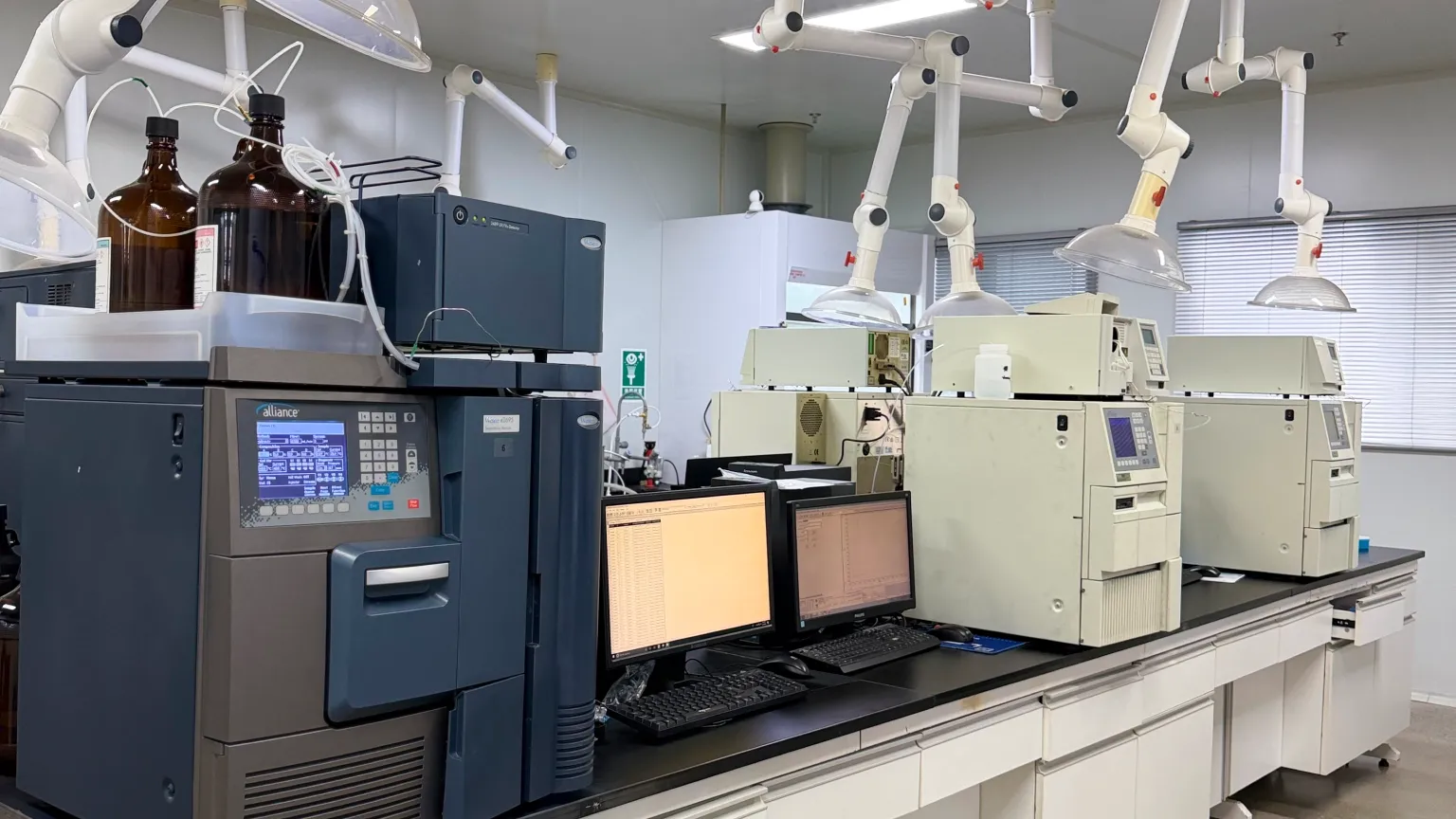
Deletion and truncated sequences, amino acid additions and substitutions, D-amino acid and other isomers, plus oxidation, deamidation, and hydrolysis products.

Each standard ships with a COA, HPLC purity, and mass spectrometry data, and where needed peptide mapping, so you can identify and quantify the impurity with confidence.
Send the structure or the unknown peak you are tracking, and we resynthesize the impurity to high purity as a reference standard for your method.
They are high-purity, resynthesized versions of the impurities that appear in a peptide drug. Run alongside the drug substance, they let an analytical lab identify, confirm, and quantify each impurity in a related substances method.
We cover the common peptide impurity types: deletion and truncated sequences, amino acid insertions and substitutions, D-amino acid and other isomers, and degradation products such as oxidation, deamidation, and hydrolysis.
Each standard comes with a COA, HPLC purity, and mass spectrometry data, with peptide mapping or other characterization added when the structure needs full confirmation.
They support related substances testing, method development and validation, batch release, stability and OOS investigations, and the impurity data packages used in regulatory filings, including generic and follow-on development.
Yes. Tell us the parent drug and the impurity structure, or the unknown peak you are chasing, and we resynthesize it to high purity as a reference standard with full analytical data.
Yes. These are reference standards for laboratory, analytical, and regulatory use by qualified manufacturers and labs. They are not active pharmaceutical ingredients or finished drugs, and are not for human or veterinary use.
A peptide impurity standard, or impurity reference standard, is a purified, fully characterized copy of an impurity that shows up in a peptide drug. Analytical labs run it next to the drug substance so they can pinpoint which peak is which, confirm its structure, and measure how much is present. For peptide drugs, where small process- and storage-related impurities are unavoidable, these standards are what make a related substances method reliable.
Most peptide impurities are created during synthesis or storage. Solid-phase synthesis can leave deletion or truncated sequences, extra or substituted residues, and side-reaction products, while time, heat, and pH lead to oxidation, deamidation, hydrolysis, and aggregation. Each of these shows up as a separate peak that has to be identified and controlled.
The impurities a method has to track usually fall into a few groups:
Regulators expect each significant impurity in a drug to be identified and controlled, and that requires a known standard to compare against. Reference standards let a lab assign and quantify peaks, validate the method, support batch release and stability studies, and build the impurity data packages used in filings. They matter most in generic and follow-on development, where a synthetic peptide has to be shown comparable to the original drug.
We resynthesize peptide impurities to high purity as reference standards, working from a known structure or from an unknown peak you are trying to assign, and supply them with full analytical data. Standards for specific peptide drugs, including GLP-1 receptor agonists and other widely studied peptides, are available on request. For the underlying chemistry and development support, see custom peptide synthesis and peptide CDMO. These materials are reference standards for laboratory, analytical, and regulatory use only, and are not for human or veterinary use.


